Frequent UTIs can signal an underlying issue. Here’s what to watch for and when to seek help.
What Is a UTI?
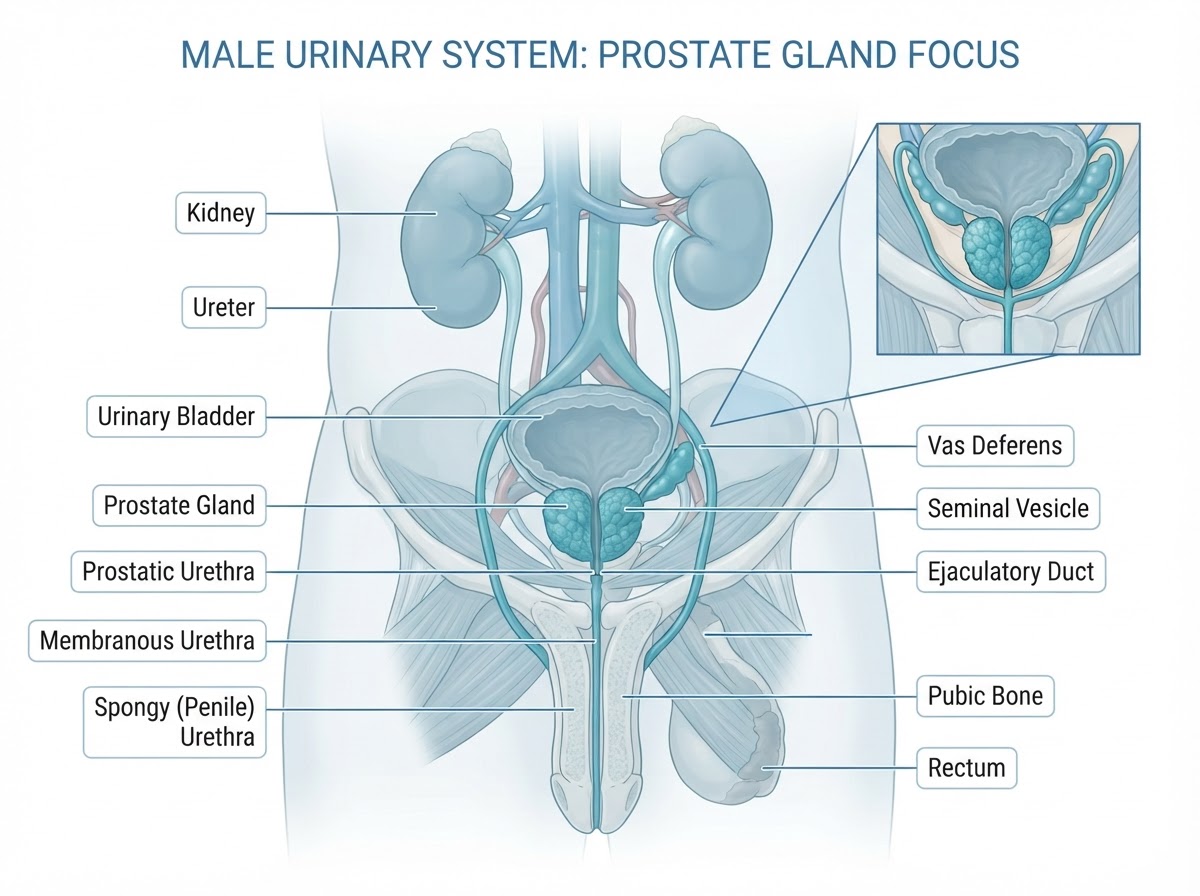
A urinary tract infection (UTI) occurs when bacteria enter the urinary system and multiply. Most infections affect the bladder (cystitis), but they can also reach the kidneys (pyelonephritis), which is more serious. Women are more prone to UTIs due to a shorter urethra, but men can develop them too — especially those with an enlarged prostate or other urinary conditions.
Common Symptoms to Watch For
Typical signs include a burning sensation during urination, cloudy or strong-smelling urine, pelvic pressure, and a persistent urge to urinate even when little comes out. You may also notice pink or reddish urine, which indicates blood. If the infection reaches the kidneys, symptoms can include fever, chills, back or side pain, and nausea. These require immediate medical attention.
What Causes UTIs
The most common culprit is E. coli, a bacterium normally found in the digestive tract. Risk factors include dehydration, holding urine too long, sexual activity, menopause (which changes the urinary tract’s natural defenses), diabetes, and any condition that affects bladder emptying — such as BPH, kidney stones, or a neurogenic bladder.
When a UTI Becomes Recurrent
If you experience two or more UTIs in six months, or three or more in a year, that’s considered recurrent. Recurrent UTIs often signal an underlying issue — a structural abnormality, a persistent stone, incomplete bladder emptying, or a resistant bacterial strain. A urologist can perform cystoscopy, imaging, and urodynamic studies to identify the root cause rather than just treating each flare-up.
Prevention Tips
Drink plenty of water to flush bacteria from your urinary tract. Don’t hold urine for long periods. Urinate after sexual activity. For women, wipe from front to back. Avoid irritating feminine products. For men with BPH, effective treatment of prostate enlargement reduces residual urine and infection risk. Cranberry extract and probiotics may help some people, though evidence is mixed.
When to See a Urologist
See a urologist if you have recurrent infections, blood in the urine, UTIs accompanied by fever or back pain, or infections that don’t respond to antibiotics. Men with any UTI should be evaluated, as urinary infections in men are less common and often point to an underlying condition. Prompt, thorough evaluation prevents complications and keeps simple infections from becoming chronic problems.
Dr. Jarvie Marchadesch Collantes
Functional Urology & Male Genital Enhancement Specialist
Board-certified urologist providing confidential, personalized urologic care at UroElite Urology Clinic, Visayas Medical Hospital, Cebu City.
Reviewed by Dr. Jarvie Marchadesch Collantes
Have a Urology Concern?
Book a confidential consultation with Dr. Collantes at UroElite Urology Clinic in Cebu City.