Stay hydrated, watch your sodium, and learn the dietary changes that keep stones from forming.
Why Kidney Stones Form
Kidney stones develop when certain minerals and salts in your urine become concentrated and crystallize. The most common type is calcium oxalate stones, but struvite, uric acid, and cystine stones also occur. Dehydration is the single biggest risk factor — when your urine is too concentrated, minerals precipitate and clump together. Other contributors include a high-sodium diet, excessive animal protein, obesity, and a family history of stones.
1. Drink Plenty of Water Every Day
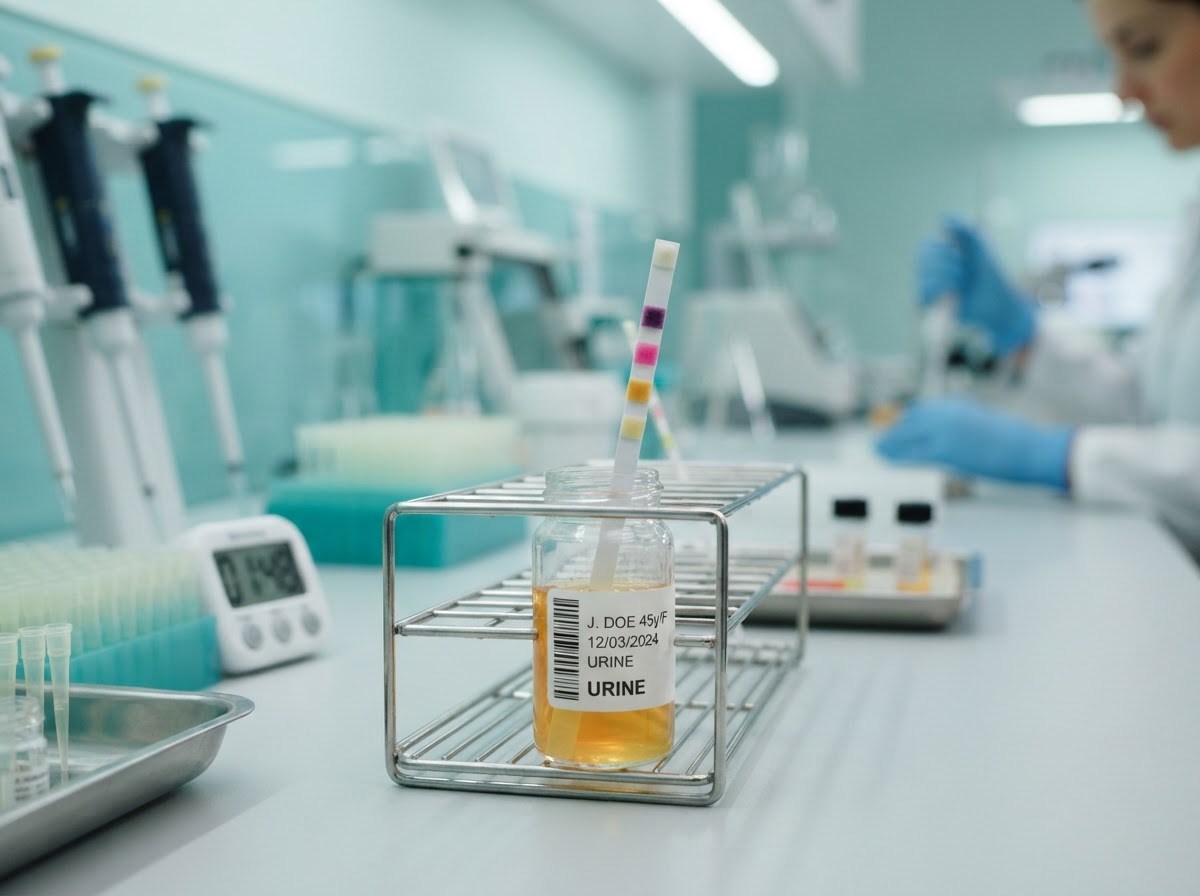
Aim for at least 2.5 to 3 liters of water daily. Your urine should be pale yellow or nearly clear — dark urine signals dehydration and higher stone risk. In Cebu’s warm climate, you may need even more, especially if you work outdoors or exercise. Carry a reusable bottle and set reminders if needed. Adding a squeeze of lemon helps too: citrate in lemon juice binds to calcium and discourages stone formation.
2. Reduce Your Sodium Intake
High sodium causes your kidneys to excrete more calcium, which increases the chance of stones forming. Limit processed foods, canned soups, fast food, and salty snacks. Aim for under 2,300 mg of sodium per day. Read nutrition labels — a single restaurant meal can easily exceed your daily limit. Cooking at home with fresh herbs and spices instead of salt is one of the simplest changes you can make.
3. Don’t Overdo Animal Protein
Diets very high in red meat, poultry, and fish can lower urine citrate and increase uric acid, both of which promote stones. You don’t need to eliminate meat — just balance it with plenty of vegetables, fruits, and whole grains. Plant-based proteins like lentils and beans are excellent alternatives that also provide fiber.
4. Get Enough Calcium — From Food
It sounds counterintuitive, but too little calcium can actually cause stones. When dietary calcium is low, oxalate absorption rises. Aim for 1,000–1,200 mg of calcium per day from food sources like dairy, leafy greens, and fortified alternatives. Avoid high-dose calcium supplements unless your doctor recommends them.
5. Limit High-Oxalate Foods
Foods rich in oxalate — such as spinach, beets, nuts, chocolate, and tea — can contribute to calcium oxalate stones. You don’t have to cut them out entirely, but pair them with calcium-rich foods so oxalate binds in the gut rather than in your kidneys. For example, eat spinach with cheese or yogurt.
When to See a Urologist
If you’ve had a stone before, your risk of recurrence is high. A urologist can analyze your stone composition, run metabolic testing, and recommend a personalized prevention plan. If you experience severe back or side pain, blood in your urine, or persistent urinary symptoms, book a consultation right away. Early evaluation prevents complications and keeps small stones from becoming emergencies.
Dr. Jarvie Marchadesch Collantes
Functional Urology & Male Genital Enhancement Specialist
Board-certified urologist providing confidential, personalized urologic care at UroElite Urology Clinic, Visayas Medical Hospital, Cebu City.
Reviewed by Dr. Jarvie Marchadesch Collantes
Have a Urology Concern?
Book a confidential consultation with Dr. Collantes at UroElite Urology Clinic in Cebu City.