A guide to the urologic checkups that catch problems early — from PSA testing to prostate exams.
Why Screenings Matter After 40
Many urologic conditions develop silently. Prostate cancer, kidney stones, bladder issues, and erectile dysfunction can progress without obvious symptoms in their early stages. Regular screenings catch problems when they’re most treatable. After 40, your risk for several conditions rises, making this the ideal time to establish a baseline with a urologist.
PSA Blood Test
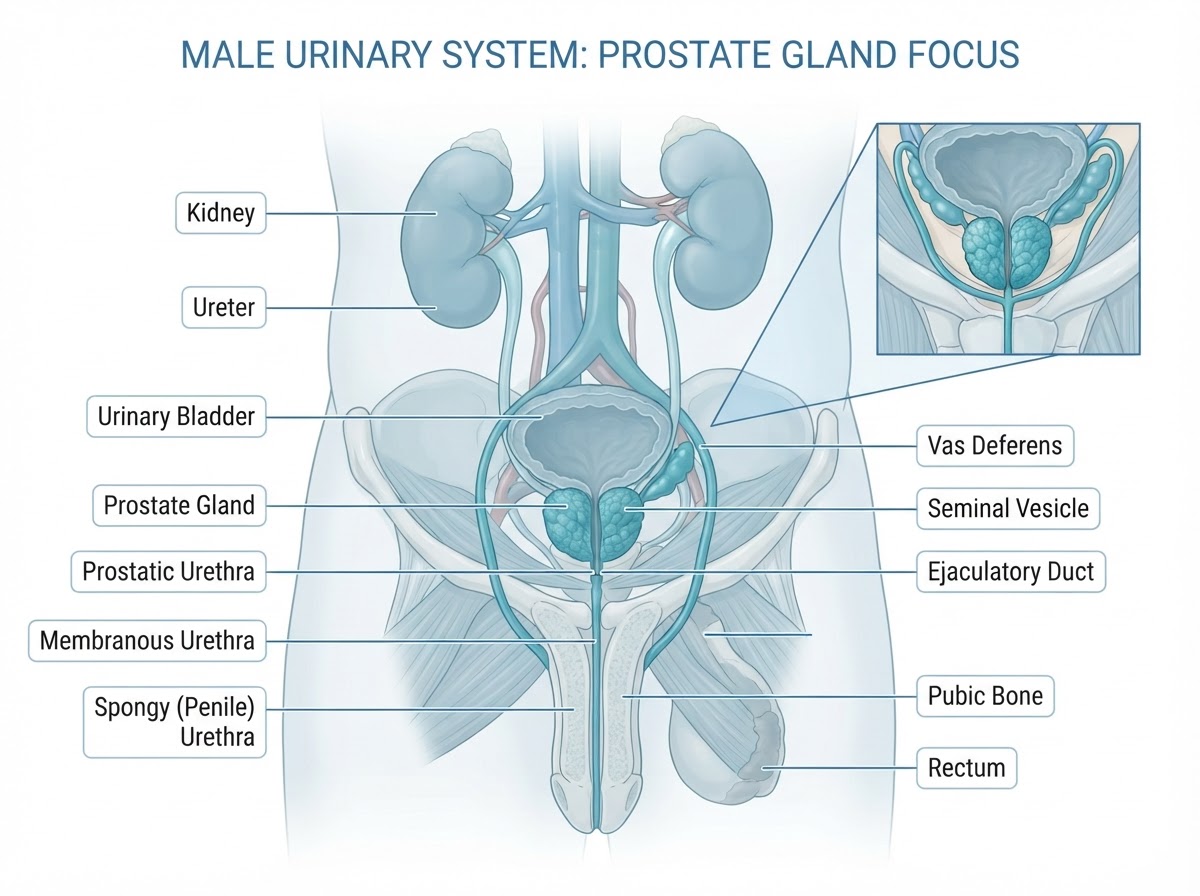
The Prostate-Specific Antigen (PSA) test measures a protein produced by the prostate. Elevated levels can indicate BPH, prostatitis, or prostate cancer. Most men should get a baseline PSA at 40–45, then repeat annually or every two years depending on risk. Men with a family history of prostate cancer or African ancestry should start earlier. A single elevated PSA doesn’t mean cancer — your urologist will interpret it alongside other factors.
Digital Rectal Exam (DRE)
During a DRE, the urologist briefly checks the prostate’s size, shape, and texture. It takes seconds and provides valuable information that the PSA test alone can’t. While it may feel uncomfortable, it’s a quick, routine part of a thorough urologic exam. Combined with PSA, it significantly improves early detection.
Kidney and Bladder Evaluation
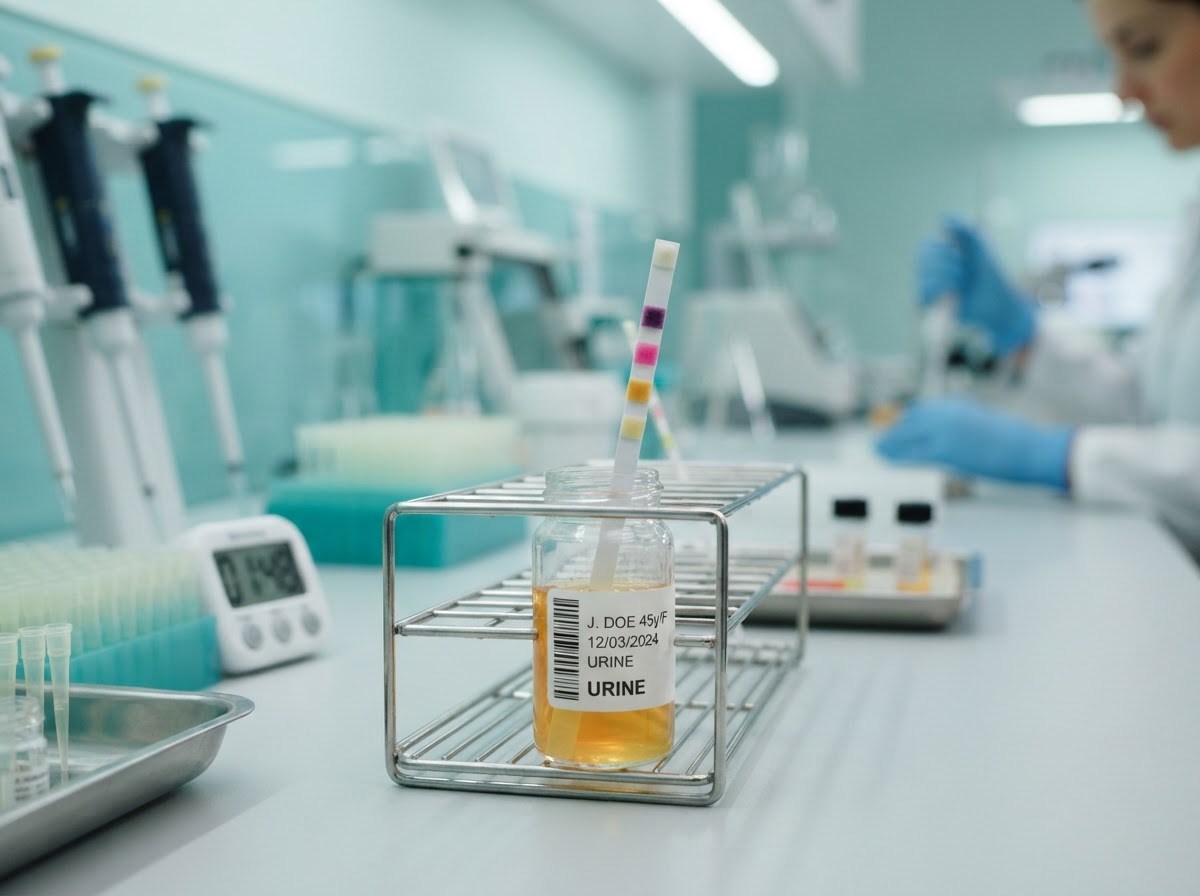
An abdominal ultrasound can detect kidney stones, cysts, or tumors before they cause symptoms. A urinalysis checks for blood, protein, or infection markers in the urine. If you have a history of smoking, workplace chemical exposure, or persistent urinary symptoms, a cystoscopy may be recommended to examine the bladder lining directly.
Testosterone and Sexual Health
Low testosterone can cause fatigue, reduced libido, mood changes, and loss of muscle mass. A simple blood test checks your levels. Erectile dysfunction, while often a sensitive topic, can be an early warning sign of cardiovascular disease. Discussing it openly with your urologist leads to effective treatment and may reveal underlying health risks.
How Often Should You Get Screened
A practical schedule: PSA and DRE annually after 40 (earlier if high-risk). Kidney ultrasound every 2–3 years or as recommended. Urinalysis yearly. Testosterone check if symptomatic. Your urologist will tailor this to your personal risk profile and family history.
Take Charge of Your Health
Preventive care is the most effective form of treatment. A 20-minute consultation can provide peace of mind or catch a condition early enough to treat it easily. Don’t wait for symptoms — book your screening today and make urologic health part of your routine.
Dr. Jarvie Marchadesch Collantes
Functional Urology & Male Genital Enhancement Specialist
Board-certified urologist providing confidential, personalized urologic care at UroElite Urology Clinic, Visayas Medical Hospital, Cebu City.
Reviewed by Dr. Jarvie Marchadesch Collantes
Have a Urology Concern?
Book a confidential consultation with Dr. Collantes at UroElite Urology Clinic in Cebu City.